How Liquidity Pools Shape Pricing Dynamics in Football Exchange Markets
Vera Schmitz · Sep 7, 2026
How Liquidity Pools Shape Pricing Dynamics in Football Exchange Markets
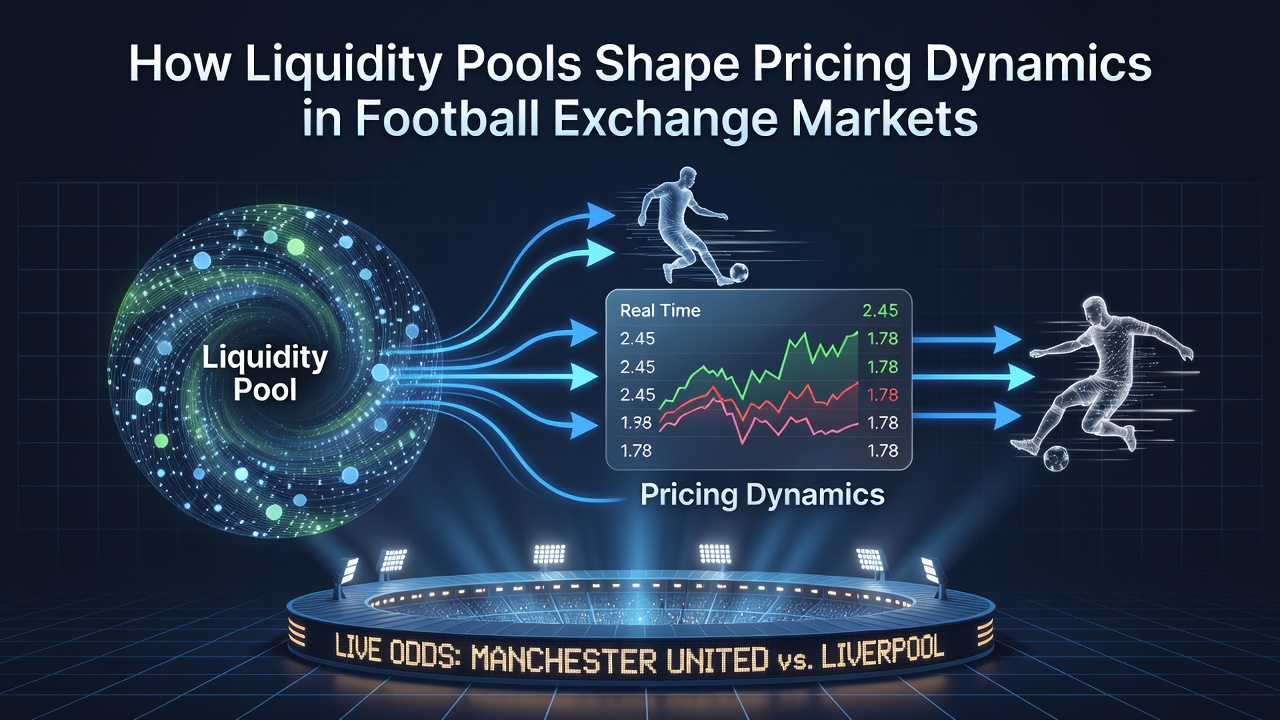
Football exchange markets operate through peer-to-peer platforms where participants place bets directly against one another rather than against a traditional bookmaker, and liquidity pools represent the aggregate of unmatched stakes available at various price levels that determine how readily orders can be executed without significant movement in odds.
Researchers at institutions across Europe and North America have documented that these pools create the depth necessary for stable pricing, since higher volumes of available bets allow larger wagers to match at or near current levels while thinner pools often produce sharper shifts when a single substantial order enters the market.
Mechanics of Liquidity in Exchange Environments
Observers note that liquidity forms when backers and layers post offers at different odds, building a visible order book that reflects real-time supply and demand for each outcome in a football fixture, and this structure differs markedly from fixed-odds books because prices adjust continuously based on the flow of matched volume rather than on a central operator's adjustments.
Data from exchange operators shows that in high-profile Premier League encounters, liquidity can exceed several million pounds within minutes of markets opening, whereas lower-tier or international friendlies frequently see pools that remain under a few hundred thousand pounds even close to kickoff, leading to greater price volatility in those thinner environments.
Pricing Responses to Volume Changes
Studies from academic groups in Australia and Canada indicate that as liquidity accumulates, the spread between best back and lay prices narrows, which in turn reduces the cost of entering or exiting positions and allows more precise discovery of implied probabilities for match results, over/under totals, and player-specific outcomes.
Yet when sudden news such as an injury announcement hits, even substantial pools can experience temporary imbalances where one side of the book clears rapidly, forcing prices to adjust until fresh orders restore equilibrium, and figures released in September 2026 from multi-market analyses confirmed that such events produce average price movements of 15 to 25 percent in contracts with under 500,000 pounds in matched volume.

Market Depth and Slippage Effects
Those who have examined transaction records find that slippage, the difference between expected and executed prices, occurs primarily in markets where available liquidity sits below the size of incoming orders, and this phenomenon appears more frequently in live betting during the final minutes of matches when traders rush to adjust positions based on scoreline changes.
Industry reports compiled by research bodies in the European Union highlight that traders who monitor pool depth before placing large stakes achieve better average execution prices, while smaller participants often benefit indirectly because the presence of deep liquidity dampens extreme swings that might otherwise distort broader market sentiment.
Regional Variations in Pool Formation
Analyses conducted by regulatory bodies in Australia and Canada reveal distinct patterns, with Australian exchanges showing stronger liquidity in Asian handicap markets during evening European fixtures and Canadian platforms displaying deeper pools around major international tournaments when time-zone overlap increases participant numbers from multiple continents.
These geographic differences arise because participant bases, regulatory frameworks, and preferred bet types vary, yet the underlying relationship between pool size and price stability remains consistent across jurisdictions.
Conclusion
Evidence gathered from exchange data and academic examinations demonstrates that liquidity pools serve as the primary mechanism through which pricing dynamics evolve in football markets, with larger pools supporting tighter spreads and smoother adjustments while thinner pools amplify the impact of individual orders and external events, and ongoing monitoring of these patterns continues to inform both platform design and participant strategies in the sector.